

Booking Engine
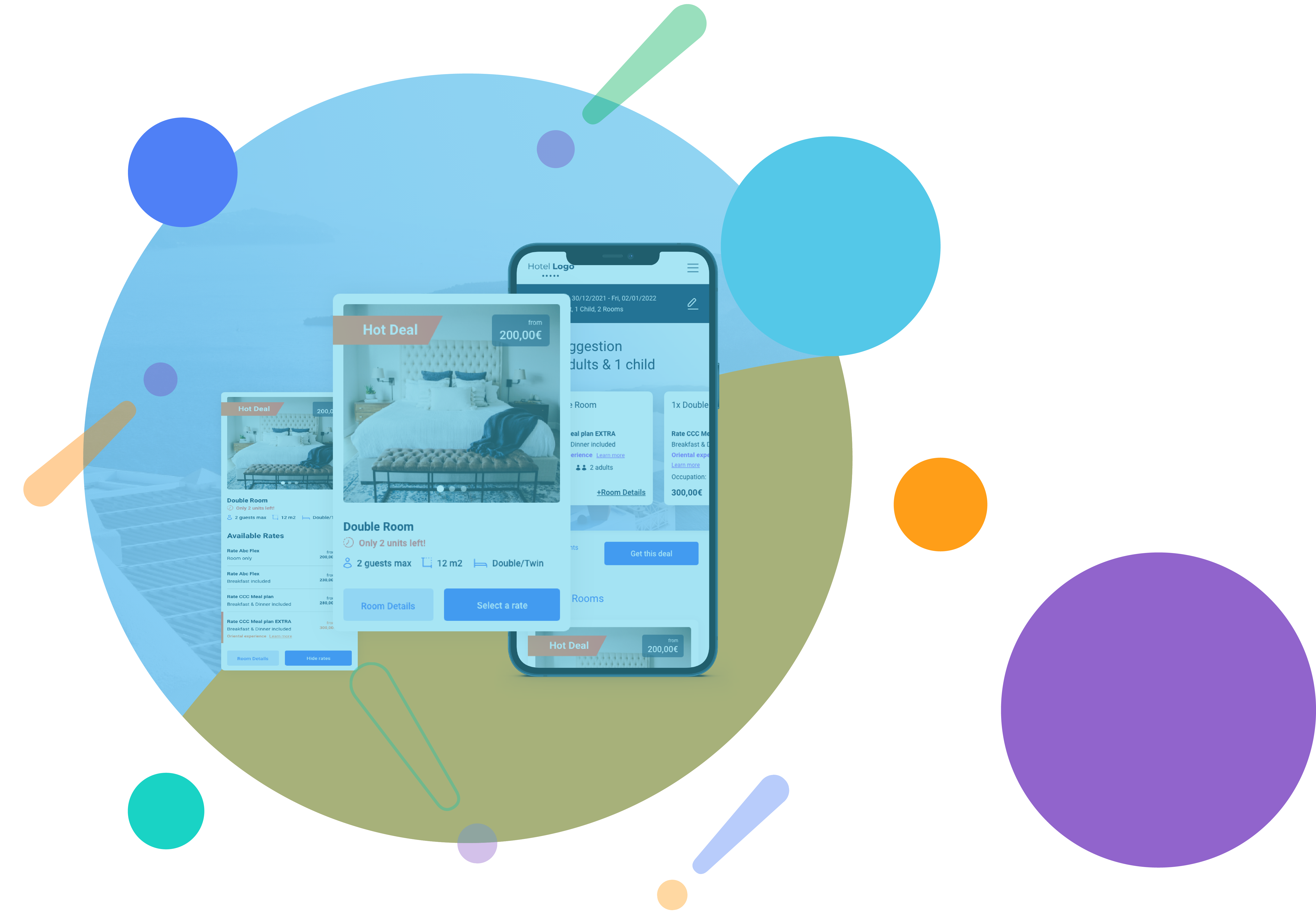
Direct bookings have become a priority for hotels looking to improve profitability, reduce dependence on OTAs (online travel agencies), and strengthen relationships with their guests. By focusing on this channel, your hotel gains higher margins, greater control over the guest experience, and a stronger brand.
However, increasing direct bookings doesn’t happen by chance. It requires implementing an integrated strategy based on four key areas: your website, the exclusive benefits you offer, digital marketing, and guest relationship management.
In this article, we’ll share a simple, effective action plan divided into four steps. The goal is to help your hotel attract more direct bookings — with lower costs and better returns.
Why is your website so crucial?
Your hotel’s website is the most important direct sales channel. Often, it’s also the first point of contact between a guest and your brand. An outdated, slow, or confusing website can drive potential guests away — even if they were already interested in booking.
What your website needs to deliver:
Pro tip: Test your site with someone unfamiliar with it. Watch where they hesitate, get confused, or waste time — and fix those issues.
Why should guests book directly with you?
If your offer is identical to what’s on OTAs, many customers will continue to use those platforms. To encourage direct bookings, it’s essential to offer real, visible advantages — and clearly communicate them.
Examples of exclusive benefits:
How to communicate these benefits:
Remember: Guests should perceive these benefits as tangible value. Don’t just say “book on our official website” — say “get free breakfast when you book here.”
What happens if no one visits your website?
An optimized website is essential, but it only works if people actually see it. That’s where digital marketing plays a crucial role in attracting and converting potential guests through your own channels.
Key strategies to consider:
Pro tip: Track everything with tools like Google Analytics. That way, you’ll know what’s working — and what needs adjusting.
Loyalty starts before check-in
A well-treated guest comes back. And recommends you. That’s why the guest experience should be planned continuously — from the moment they show interest until after they check out.
How to enhance the experience at every stage:
Pro tip: Create small, memorable moments. A thoughtful in-room gift, a local recommendation, or a simple “good morning” can make all the difference.
Increasing direct bookings doesn’t mean eliminating intermediaries — it means finding balance and taking control of your hotel’s sales strategy.
With a functional website, well-defined advantages, an active digital presence, and customer-focused service, your hotel will be better positioned to attract and retain guests — without paying unnecessary commissions.
Remember: Guests want trust, ease, and benefits. If you can deliver all of that directly, you’ll always stay a step ahead of the competition.

Enter your email below to download the free eBook.

Let's talk?
Let's talk and find the right solution for your accommodation? At Hey!Travel we are committed to identifying your needs and drawing up a plan to achieve your goals.
Let's talk?